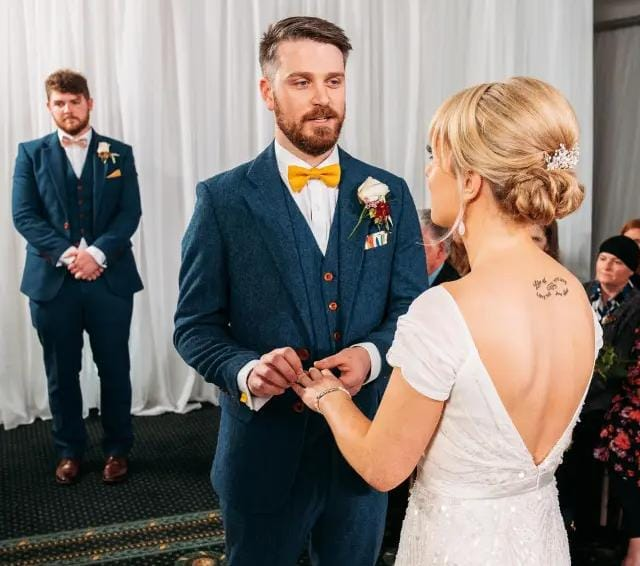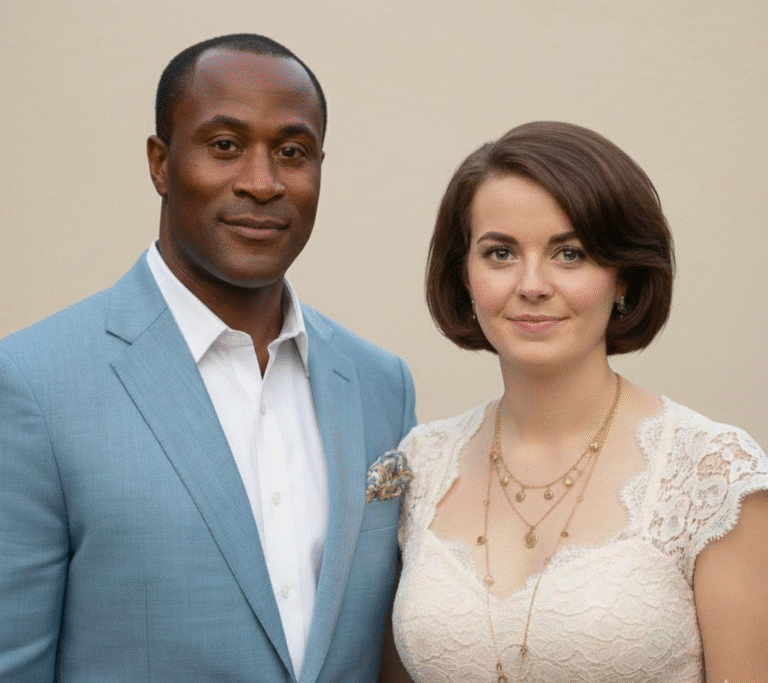
Mood Board Basics: How To Merge Images For A Strong Visual Direction
Design researchers often note that the human brain processes images far faster than text, often in milliseconds. That speed explains why a well-crafted mood board can communicate a design direction almost instantly. A collection of carefully selected images can clarify a concept before a single sketch or layout is finished.
If you have ever struggled to explain a creative idea, a mood board often becomes the turning point. It gives structure to inspiration and helps transform scattered ideas into a clear visual plan. Knowing how to merge images into a cohesive mood board makes the difference between a random collage and a confident visual direction.
Why mood boards matter in visual planning
Mood boards help organize creative thinking and turn abstract ideas into something concrete. Designers, marketers, and content creators rely on them to establish a visual direction before committing to final designs. A strong board saves time because it reduces uncertainty later in the process.
When images are thoughtfully combined, patterns begin to appear. Colors start to connect, shapes feel consistent, and the message becomes easier to understand. A mood board also improves communication with collaborators who may interpret ideas differently.
The biggest advantage is clarity. A visual direction becomes easier to define when references sit side by side. Mood boards often help with:
- Identifying consistent color relationships that support the concept
- Clarifying the emotional tone of a project
- Avoiding visual contradictions early in development
- Making creative discussions more productive
Many successful projects begin with a simple board that aligns everyone around the same vision.
Choosing images that support a clear direction
A mood board becomes effective when images share a common intention. Randomly collecting pictures rarely produces a meaningful result. Each image should contribute something specific to the visual story.
You can combine images to bolster your brand using tools that allow precise placement and layering. Arranging images side by side often reveals which elements work together and which ones feel out of place.
Selecting images becomes easier when you define a few guiding questions first:
- Does the image reflect the intended mood or message?
- Does it support the target audience expectations?
- Does it match the level of formality or playfulness needed?
- Does it align with the visual identity already established?
A smaller set of relevant images usually works better than a large collection without focus.
Building visual harmony between images
Harmony is what turns a group of pictures into a unified mood board. Without it, even strong individual images may clash and weaken the overall direction.
Consistency usually comes from repeating visual elements across images. That repetition may include color palettes, lighting styles, shapes, or textures. Small similarities create connections that feel natural to the viewer.
A practical approach involves paying attention to three main elements:
• Color relationships help create emotional consistency and stability
• Lighting conditions influence how realistic or stylized the board feels
• Composition styles determine whether the direction feels structured or relaxed
Designers often notice harmony problems only after stepping back from the board. Viewing the layout from a distance can reveal mismatches that are not obvious up close.
A mood board works best when every image looks like it belongs in the same visual world.
Even subtle adjustments can significantly improve cohesion.
Structuring your mood board layout
The arrangement of images plays a major role in how the board communicates its message. Layout determines which elements attract attention first and how viewers interpret the visual direction.
Different layouts serve different purposes. Some boards focus on storytelling, while others focus on style references.
The table below compares several common layout approaches.
| Layout Type | Best Use Case | Visual Effect | Difficulty |
| Grid Layout | Branding and UI projects | Clean and organized | Low |
| Freeform Layout | Concept development | Creative and expressive | Medium |
| Layered Layout | Advertising concepts | Dynamic and detailed | High |
| Linear Layout | Story driven projects | Clear progression | Low |
Grid layouts provide structure and balance, which works well for professional presentations. Freeform arrangements allow creative freedom and can reveal unexpected relationships.
The layout should reinforce the concept rather than distract from it. Simple arrangements often communicate ideas more clearly.
Matching colors and textures for consistency
Color relationships often determine whether a mood board feels intentional or accidental. Even images from different sources can work together when they share similar tones.
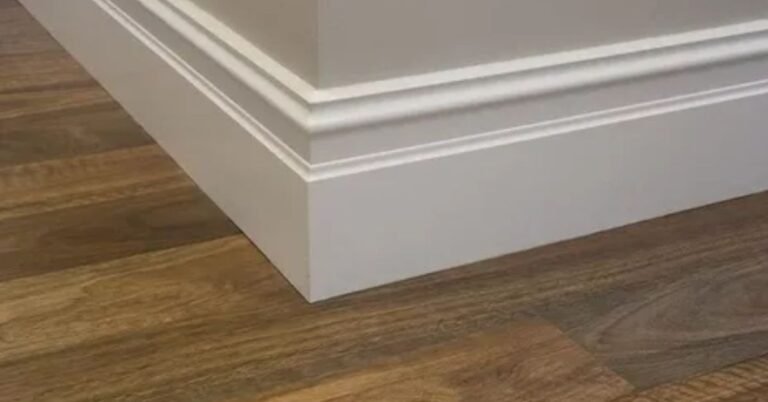
Textures add depth and realism. Materials such as wood grain, fabric, stone, or metal can create subtle links between otherwise unrelated images.
A helpful method is to identify one dominant palette and build around it. Supporting tones should complement rather than compete.
Did you know
Research in visual cognition suggests people perceive color harmony before they consciously interpret shapes or objects. That quick perception explains why mismatched colors often feel wrong immediately.
Consistency improves when adjustments are made early instead of after the board grows large. Cropping or slight color correction can bring images closer together.
Balanced boards often contain both contrast and repetition.
Avoiding common mood board mistakes
Many beginners assume that more images automatically lead to better inspiration. In practice, overcrowded boards often create confusion rather than clarity.
Strong boards stay selective and intentional. Removing weak images often improves the entire composition.
Several mistakes appear frequently:
- Mixing too many visual styles weakens the direction
- Using low quality images reduces credibility
- Ignoring scale relationships creates visual imbalance
- Choosing images without a clear purpose leads to clutter
Another common issue involves copying trends without adapting them to the project. Mood boards should guide decisions rather than imitate existing designs.
Reviewing the board after a short break often reveals problems that were not obvious during creation.
Turning a mood board into a design guide
A finished mood board becomes useful only when it guides real decisions. It should function as a reference throughout the project rather than a one time exercise.
Designers often return to the board to confirm whether new elements fit the established direction. Consistency improves when the board stays visible during development.
Mood boards typically inform several design areas:
- Typography choices become easier when visual tone is clear
- Photography style stays consistent across materials
- Interface elements follow the same aesthetic logic
- Marketing visuals remain aligned
Projects move faster when decisions refer back to a clear visual foundation. Teams spend less time debating subjective preferences.
The board becomes a shared reference point that keeps the visual direction stable.
Refining and updating your mood board
Mood boards often evolve as projects develop. Early versions usually contain broader references, while later versions become more focused.
Refinement improves precision and removes uncertainty. Each update should strengthen the visual direction instead of expanding it.
A practical workflow usually includes:
- Starting with a broad collection of references
- Narrowing down to the strongest images
- Adjusting placement for clarity
- Removing elements that no longer fit
Periodic updates help keep the board relevant. A static board may lose usefulness as the project changes.
Careful refinement often produces the most confident results.
A well built mood board gives creative work a clear starting point and a reliable reference. Merging images thoughtfully helps ideas take shape faster and reduces uncertainty in later stages.
Strong visual direction rarely appears by accident. It develops through careful selection, thoughtful arrangement, and steady refinement. A mood board created with intention can guide an entire project from early inspiration to final execution.