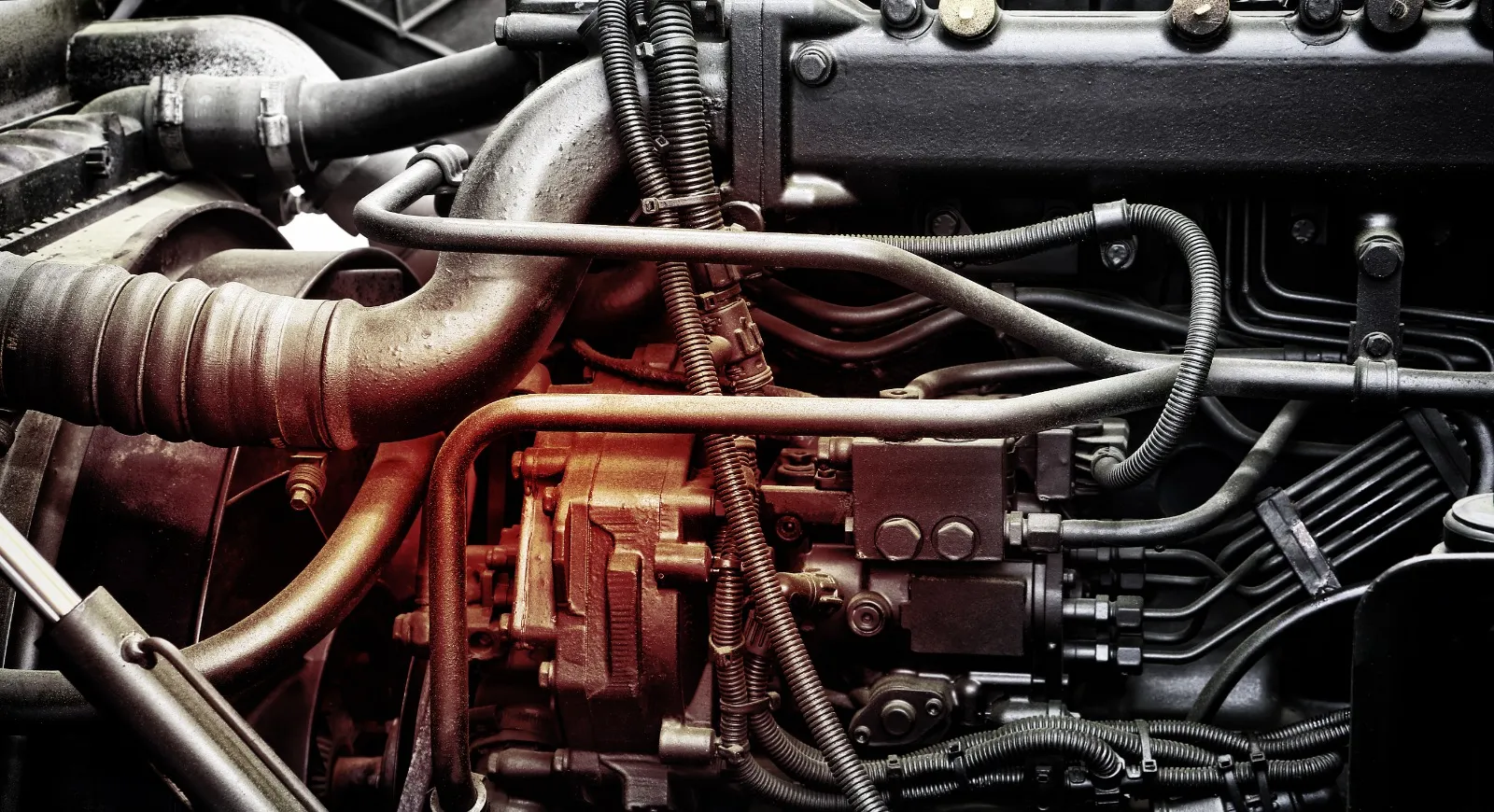
Performance Diesel Upgrades That Deliver Real Value
Diesel performance upgrades are often associated with increased horsepower and aggressive tuning. While power gains are appealing, not every modification delivers long-term value. The most effective diesel upgrades improve efficiency, reliability, and durability while maintaining consistent engine performance.
For fleet operators, truck owners, and equipment managers, true value comes from upgrades that enhance power without compromising engine health or compliance. Understanding which upgrades provide measurable value helps prevent costly mistakes and unnecessary mechanical strain.
Upgraded Turbochargers for Improved Airflow
The turbocharger plays a central role in diesel performance. By forcing additional air into the combustion chamber, the turbocharger enables more efficient fuel combustion, increasing power output.
However, not all turbo upgrades are beneficial. The key is selecting a turbocharger that is properly matched to the engine displacement, fuel delivery capacity, and operating conditions. A well-matched turbo can improve throttle response, towing performance, and overall torque delivery without excessively raising exhaust gas temperatures.
High-quality turbochargers designed for performance applications maintain stable boost pressure and support balanced combustion. Suppliers such as Goldfarb & Associates Inc. provide dependable diesel turbocharger options engineered for demanding use. Reviewing specifications carefully through their turbocharger inventory helps ensure proper fitment and long-term reliability.
When airflow improvements are properly calibrated, the result is usable power rather than short-term stress.
High-Performance Fuel Injectors
Fuel injectors directly influence combustion efficiency. Upgraded injectors designed with improved spray patterns or optimized flow rates can enhance throttle response and reduce incomplete combustion.
Performance-focused injectors can deliver value when:
- The turbo system supports increased airflow
- ECM tuning matches the injector calibration
- The fuel system maintains proper pressure stability
Improperly matched injectors, however, may increase smoke output or fuel consumption. True value comes from precision matching rather than simply increasing fuel volume. Balanced fuel delivery improves both power output and engine smoothness.
Performance Tuning and ECM Calibration
Electronic tuning is one of the most common diesel upgrades. Adjusting injection timing, fuel pulse width, and boost control parameters can unlock additional performance within safe operating limits.
When professionally calibrated, ECM tuning can improve torque curves, towing capability, and fuel efficiency. It can also optimize throttle response for daily driving or heavy-duty applications.
However, aggressive tuning without supporting hardware upgrades may increase cylinder pressure and exhaust temperatures beyond safe thresholds. Responsible calibration prioritizes reliability alongside performance.
The most valuable tuning upgrades are those that enhance drivability without sacrificing durability.
Upgraded Intercooler Systems
As boost pressure increases, intake air temperatures rise. Excessive heat reduces air density and combustion efficiency, limiting performance gains.
Upgraded intercoolers help lower intake air temperatures, improving oxygen density and stabilizing combustion. Cooler intake air supports:
- More consistent power delivery
- Reduced exhaust gas temperatures
- Improved towing performance
By controlling thermal stress, intercooler upgrades protect engine components while supporting safe performance improvements.
Reinforced Fuel Supply Components
As power levels increase, fuel demand rises accordingly. High-performance diesel applications require consistent and stable fuel pressure to maintain proper injector operation. Even minor pressure fluctuations under load can disrupt the balance of combustion.
Upgrading lift pumps, high-flow fuel lines, or filtration systems helps ensure steady fuel delivery during towing, acceleration, or heavy-duty operation. In modified engines, factory fuel systems may struggle to keep pace with increased injector flow rates.
Fuel starvation during high load can lead to hesitation, uneven combustion, elevated exhaust temperatures, or injector stress. Strengthening the fuel supply system ensures injectors receive consistent pressure across the RPM range.
In performance diesel builds, supporting fuel components are not optional upgrades; they are foundational to maintaining reliability.
Exhaust System Improvements
Efficient exhaust flow is critical in turbocharged diesel engines. Restrictive exhaust systems increase backpressure, which can limit turbo efficiency and raise exhaust gas temperatures.
Upgrading to a properly engineered performance exhaust system improves flow characteristics and reduces strain on the turbocharger. Improved flow allows the turbo to spool more efficiently, supporting smoother throttle response and better power delivery.
However, exhaust modifications must be approached responsibly. Systems should maintain emissions compliance where required and avoid unnecessary increases in noise that do not contribute to performance.
The objective is balanced airflow optimization, improving efficiency without compromising regulatory standards or long-term engine health.
Transmission and Drivetrain Considerations
Performance upgrades increase torque output, and torque is what places stress on drivetrain components. While horsepower figures often attract attention, torque determines the load on clutches, transmissions, driveshafts, and differentials.
If drivetrain capacity is not aligned with engine output, premature wear or failure becomes likely. Reinforced clutch assemblies, upgraded torque converters, or strengthened transmission components may be necessary in higher-output applications.
Supporting the drivetrain ensures that additional power transfers efficiently to the wheels without sacrificing durability. Performance gains must be supported system-wide to prevent expensive mechanical failures.
Upgrades That Deliver Long-Term Value
Not every diesel modification provides a meaningful return on investment. Sustainable performance improvements share specific characteristics:
- They enhance efficiency rather than focusing solely on peak horsepower
- They maintain safe combustion and exhaust temperature levels
- They preserve a proper fuel-air balance
- They respect the engine’s structural and mechanical limits
When upgrades are selected with system balance in mind, they improve drivability, towing performance, and operational reliability. Real value comes from enhancements that improve performance without shortening the engine’s lifespan.
Avoiding Common Performance Mistakes
One of the most common mistakes in diesel performance upgrades is chasing horsepower numbers without considering system balance. Increasing fuel delivery or boost pressure without supporting modifications often results in excessive smoke, elevated exhaust temperatures, and unnecessary mechanical stress.
Performance components must work together. A larger turbocharger should be supported by adequate fuel delivery and proper calibration. ECM tuning must remain within safe limits for cylinder pressure and temperature. Cooling systems should be capable of managing additional thermal load created by higher output.
When upgrades are installed without coordination, short-term gains can lead to long-term reliability issues. Sustainable performance is achieved through balanced improvements, not isolated modifications.
Performance with Practical Benefits
The most valuable diesel upgrades are those that improve real-world functionality rather than just peak dyno results. Increased low-end torque for towing, smoother throttle response under load, and stable power delivery during extended operation offer measurable benefits in daily use.
For commercial operators and fleet managers, reliability and efficiency often matter more than maximum horsepower. Reduced downtime, improved fuel utilization, and consistent load handling directly impact operating costs.
When performance upgrades are selected strategically and supported by quality components, they enhance drivability and productivity without compromising durability. Intelligent upgrades transform added power into long-term operational value rather than short-lived performance spikes.
Power That Supports Reliability
Performance diesel upgrades deliver real value when they are engineered for balance, efficiency, and durability. Strategic improvements to airflow, fuel delivery, cooling, and electronic calibration can enhance torque and drivability without compromising engine health.
The key is selecting components that work together as a system. When airflow, fuel supply, and calibration are properly aligned, diesel engines can achieve measurable performance gains while maintaining long-term reliability.
In diesel performance, value is defined not by peak horsepower, but by sustainable power that performs consistently under real-world conditions.
Frequently Asked Questions
Do performance upgrades reduce the lifespan of diesel engines?
Not necessarily. Properly matched upgrades with safe calibration can maintain reliability. Problems arise when modifications exceed engine design limits.
Is ECM tuning alone enough for performance gains?
ECM tuning can improve output, but supporting upgrades such as turbo or cooling improvements may be necessary for safe operation.
Are performance turbochargers worth it?
Yes, when properly matched to fuel delivery and engine capacity. Correct sizing is critical.
Do performance upgrades improve fuel economy?
Some upgrades improve combustion efficiency, thereby enhancing fuel economy under certain driving conditions.