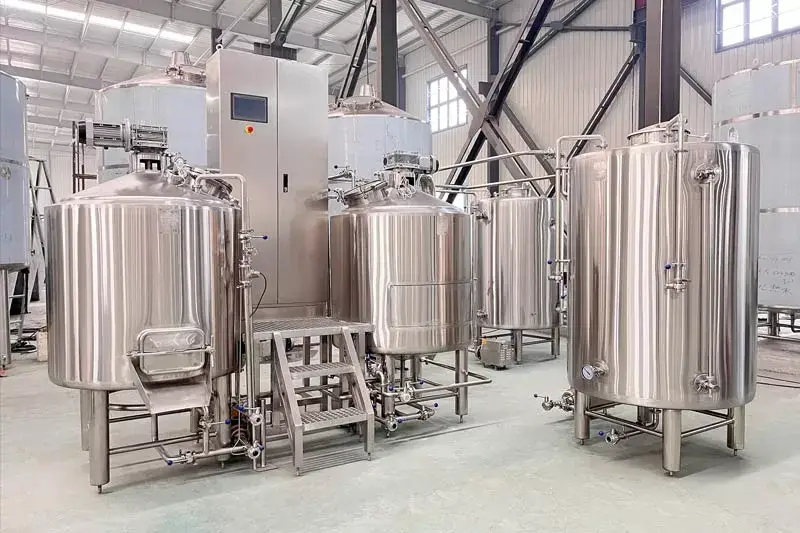
Nano Brewery Startup Guide: Equipment, Costs, and Setup Essentials
Starting a nano brewery is one of the most accessible ways to enter the craft beer industry. With lower upfront investment, flexible production capacity, and the ability to experiment with unique beer styles, nano breweries have become a popular choice for passionate brewers and entrepreneurs alike.
However, while nano breweries are smaller in scale, they still require careful planning, the right equipment, and efficient workflows to succeed. Choosing the right nano brewery equipment is critical to ensuring consistent quality, manageable operations, and room for future growth.
In this comprehensive guide, we’ll walk through everything you need to know about starting a nano brewery—from equipment selection and layout design to costs and scaling strategies.
What Is a Nano Brewery?
A nano brewery is typically defined as a very small-scale brewing operation, often producing less than 1,000 barrels of beer per year. These breweries usually focus on local distribution, taproom sales, or direct-to-consumer experiences.
Nano breweries are ideal for:
- Homebrewers transitioning to commercial production
- Entrepreneurs testing a beer concept
- Small businesses focused on local markets
Unlike larger breweries, nano operations prioritize flexibility and creativity over volume. This allows brewers to experiment with recipes and respond quickly to customer preferences.
Why Start a Nano Brewery?
Nano breweries offer several advantages compared to larger operations.
Lower Startup Costs
The cost of starting a nano brewery is significantly lower than that of a full-scale brewery. Equipment, space, and staffing requirements are all reduced.
Creative Freedom
Smaller batch sizes allow brewers to experiment with new styles, seasonal beers, and limited releases.
Local Market Focus
Nano breweries often build strong relationships with local customers, creating a loyal customer base.
Easier Entry into the Industry
For many brewers, a nano brewery is the first step toward building a larger brand.
Essential Nano Brewery Equipment
Even at a small scale, a nano brewery requires a complete set of brewing equipment.
Brewhouse System
The brewhouse is where wort is produced. Nano breweries typically use systems ranging from 1BBL to 3BBL.
Key components include:
- Mash tun
- Lauter tun
- Brew kettle
- Whirlpool
Some nano systems combine these functions into fewer vessels to save space and cost.
Fermentation Tanks
Fermentation tanks are where beer develops its flavor and alcohol content.
Most nano breweries use conical fermenters (unitanks), which allow fermentation and conditioning in one vessel.
Bright Beer Tanks
Bright tanks are used for carbonation and storage before packaging.
Cooling System
A glycol chiller is essential for controlling fermentation temperature and cooling wort.
Cleaning Systems (CIP)
Even small breweries benefit from Clean-in-Place systems to maintain hygiene and reduce labor.
For brewers looking for reliable and scalable options, exploring nano brewery equipment solutions can provide valuable guidance in selecting the right system.
Choosing the Right Equipment Size
Selecting the right equipment size is one of the most important decisions when starting a nano brewery.
Batch Size Considerations
Common nano brewery sizes include:
- 1BBL systems for very small operations
- 2BBL–3BBL systems for moderate production
Smaller systems require more frequent brewing, while larger systems increase efficiency.
Fermentation Capacity
Fermentation tanks often determine production capacity. A good rule of thumb is to have at least 2–3 times your brewhouse volume in fermentation capacity.
Space Constraints
Nano breweries often operate in limited spaces, so compact equipment design is essential.
Designing an Efficient Brewery Layout
A well-designed layout improves workflow and reduces labor.
Workflow Planning
Arrange equipment in a logical sequence:
Brewing → Fermentation → Packaging
Space Optimization
Ensure enough space for:
- Equipment access
- Cleaning
- Storage
Utility Access
Proper connections for water, electricity, and drainage are critical.
Working with experienced providers of craft brewery equipment systems can help you design a layout that maximizes efficiency.
Cost Breakdown for a Nano Brewery
Understanding costs helps you plan your investment.
Equipment Costs
Nano brewery equipment typically ranges from $20,000 to $100,000 depending on size and quality.
Facility Costs
Rent, renovations, and utilities can add significant expenses.
Licensing and Permits
Alcohol production requires proper licensing, which varies by location.
Operating Costs
Include ingredients, labor, utilities, and maintenance.
Planning your budget carefully ensures a smoother startup process.
Licensing and Legal Requirements
Starting a nano brewery involves regulatory compliance.
Permits and Licenses
You may need:
- Brewing licenses
- Health permits
- Business registration
Safety Regulations
Ensure compliance with safety standards for equipment and operations.
Understanding local regulations is essential before starting your brewery.
Brewing Process for Nano Breweries
The brewing process remains the same regardless of scale.
Mashing
Grains are mixed with water to extract sugars.
Boiling
Wort is boiled and hops are added for flavor and bitterness.
Fermentation
Yeast converts sugars into alcohol.
Conditioning
Beer matures and develops its final characteristics.
Packaging
Beer is packaged into kegs, bottles, or cans.
Consistency and attention to detail are key to producing high-quality beer.
Scaling Your Nano Brewery
Many nano breweries aim to grow over time.
Signs You’re Ready to Scale
- Consistent demand exceeding supply
- Stable revenue
- Strong brand recognition
Scaling Strategies
- Adding fermentation tanks
- Upgrading brewhouse capacity
- Expanding distribution
Planning for growth early helps avoid costly upgrades later.
Common Mistakes to Avoid
Starting a nano brewery comes with challenges.
Underestimating Fermentation Capacity
Insufficient tank space can limit production.
Choosing Low-Quality Equipment
Cheap equipment may lead to higher maintenance costs.
Poor Layout Design
Inefficient layouts increase labor and reduce productivity.
Lack of Planning
Failing to plan for growth can limit future opportunities.
Avoiding these mistakes increases your chances of success.
Building a Strong Brand
Success in the craft beer industry depends not only on quality but also on branding.
Creating a Unique Identity
Develop a brand that reflects your brewery’s personality.
Engaging with Customers
Use social media and events to connect with your audience.
Offering Unique Products
Experiment with flavors and styles to stand out.
A strong brand helps attract and retain customers.
Conclusion: Starting Your Nano Brewery Journey
Starting a nano brewery is an exciting opportunity to turn your passion for brewing into a business. While the scale is smaller, the need for proper equipment, planning, and execution remains just as important.
By choosing the right nano brewery equipment, designing an efficient layout, and planning for growth, you can build a successful operation that delivers high-quality beer and a great customer experience.
For brewers seeking reliable and scalable solutions, Micet’s equipment products offer an excellent choice. With high-quality construction, customizable designs, and professional-grade performance, Micet provides brewing systems that support nano breweries from startup to expansion.
FAQs
1. How much does it cost to start a nano brewery?
Costs typically range from $50,000 to $200,000 depending on equipment, location, and scale.
2. What size system should I start with?
Most nano breweries start with 1BBL to 3BBL systems, depending on production goals and budget.
3. Can a nano brewery be profitable?
Yes, nano breweries can be profitable with the right business model, strong branding, and efficient operations.