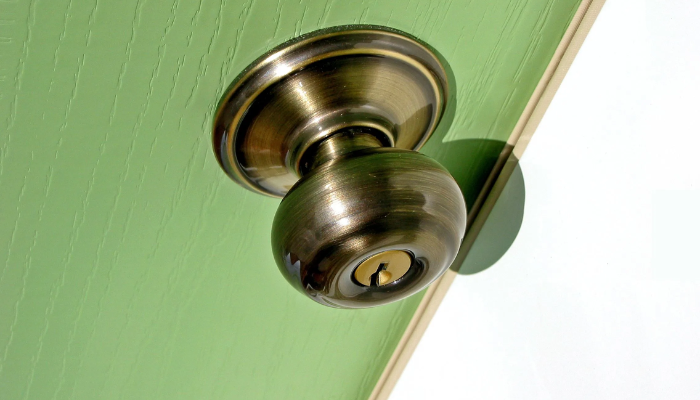
Brass Door Knobs: A Complete Guide to Style Durability and Home Design
Brass door knobs have long been a symbol of elegance, durability, and classic craftsmanship in home design. Whether adorning a traditional cottage entrance or complementing a sleek, modern apartment interior, these fixtures carry a certain refined charm. They offer a golden balance of beauty and function, capable of transforming even a simple door into a feature worth noticing. Their subtle shine and warm tones create a welcoming impression, making them a popular choice among homeowners, interior designers, and renovators.
Beyond aesthetics, brass door knobs are known for their strength, resistance to wear, and naturally antimicrobial properties. This makes them practical for both high-traffic homes and commercial spaces. As trends shift back toward timeless and high-quality materials, brass door knobs are seeing a resurgence in popularity. This article dives deep into their history, variations, benefits, installation considerations, design tips, and care guidance to help you choose the perfect option for your space.
The Timeless Appeal of Brass Door Knobs
Brass door knobs have remained popular across generations because they seamlessly blend utility with aesthetic sophistication. Brass is an alloy primarily made of copper and zinc, producing a warm tone that stands apart from cooler metals like stainless steel. Its golden hue adds softness to interiors and pairs harmoniously with various wood finishes, painted door surfaces, and architectural styles. Homeowners appreciate its ability to complement both vintage and contemporary decor without feeling out of place.
Another reason brass stands the test of time is its ability to age gracefully. When exposed to air and touch, brass develops a natural patina that deepens its character. This aged finish is often desirable, particularly in historic homes or settings where charm is valued. For those who prefer a polished look, brass can also be maintained to retain its shine. This versatility makes brass door knobs more adaptable than many other hardware materials.
Brass door knobs are also associated with craftsmanship. Traditional brass manufacturing techniques required skill and artistry, and while modern methods have improved efficiency, the sense of quality remains. Whether cast, forged, or hand-finished, brass knobs hold a tactile weight and warmth that enhance the experience of everyday use. They quietly elevate the act of opening a door into something more sensory and refined.
Types of Brass Door Knobs and Their Features
There are several types of brass door knobs, each designed for different settings and purposes. Understanding these differences helps ensure that the knob you choose fits both the door type and the intended use. The three primary categories are passage knobs, privacy knobs, and keyed entry knobs.
Passage brass door knobs are typically used for interior doors where no locking mechanism is required. These knobs are ideal for hallways, living rooms, and closets. Their function focuses on easy and smooth access. Privacy brass door knobs, on the other hand, include a built-in lock, making them suitable for bathrooms and bedrooms. They offer security without the need for a key, often featuring a simple turn button or push-lock system.
Keyed entry brass door knobs are designed for exterior doors. These knobs include key mechanisms that secure the home while still presenting an attractive entryway. Many homeowners choose brass for front doors to create a welcoming first impression while benefiting from a robust lock system. Additionally, there are dummy brass knobs, which are decorative and commonly used on closet or pantry doors where the door does not latch. These are especially useful for symmetrical double-door installations where visual balance is essential.
Finish options also play an important role. Polished brass offers a bright, reflective look that evokes classic or traditional aesthetics. Satin brass has a muted finish with a softer texture that works well in modern interiors. Antique brass carries darker tones and deliberate patina detailing for a vintage look. Each finish interacts differently with light and surrounding materials, making selection a thoughtful design decision.
How Brass Door Knobs Enhance Interior Design
Brass door knobs are subtle design anchors. They may not command attention like furniture or lighting, but they influence the overall feel of a room more than many realize. Hardware is often described as the jewelry of a home, and brass offers an opportunity to enhance elegance without overwhelming a space. Its warm tones soften cool color palettes and provide a cohesive thread across different rooms.
One powerful design approach involves coordinating brass door knobs with other hardware elements. This includes cabinet pulls, light fixtures, faucets, curtain rods, and even picture frames. When carefully selected, brass details can create visual harmony that ties together multiple areas of a home. For an eclectic look, mixing metals is also possible. Brass pairs beautifully with black, bronze, or even brushed nickel when used with intention.
Brass door knobs are also versatile when working with interior themes. For a farmhouse look, aged brass adds rustic warmth. For mid-century modern spaces, clean-lined satin brass knobs contribute to the sleek geometry characteristic of the era. Contemporary interiors benefit from minimalist brass designs that emphasize understated luxury. No matter the style, brass door knobs offer meaningful design value with subtle, enduring charm.
Installing Brass Door Knobs: What to Know
Installing brass door knobs is generally straightforward, especially with pre-drilled modern doors. Most knobs come with installation kits that include mounting screws, latch components, and detailed instructions. However, taking accurate measurements before purchasing is key. Door thickness, latch backset, and knob diameter should match your door’s specifications to ensure a seamless fit and smooth functionality.
For older homes or custom doors, installation may require slight adjustments. Brass door knobs are often chosen for restoration projects, where authenticity matters. This may involve matching the new knob’s plate style and screw placement with existing features. In some cases, carpentry or drilling updates might be needed. If in doubt, consulting a professional ensures the knob sits correctly, turns smoothly, and aligns with the latch.
Maintenance during installation is also important. Brass is relatively soft compared to some metals, so avoid over-tightening screws to prevent scratches or dents. If the knob has a polished or lacquered finish, handle it with clean, dry hands to maintain its shine. A carefully installed brass door knob not only functions well but feels satisfying to the touch and enhances daily interaction with the door.
Caring for and Maintaining Brass Door Knobs
Brass door knobs are durable, but maintaining their appearance depends on how they are finished. Unlacquered brass will naturally develop a patina over time, creating a darker, more vintage look. Many homeowners embrace this change. However, if you prefer a polished shine, periodic cleaning is necessary. A simple mixture of mild soap and warm water works well for regular upkeep.
For deeper cleaning, a specialized brass polish can restore brightness. Apply the polish with a soft cloth, rub gently, and buff to a shine. Avoid abrasive cleaners, which may scratch the surface. Lacquered brass should not be polished with metal cleaners. Instead, use a gentle microfiber cloth to wipe away fingerprints and dust. Preserving the lacquer coating helps maintain a consistent finish.
Brass is also naturally antimicrobial due to its copper content. This means the material can reduce certain types of bacteria on its surface, making it a hygienic choice for high-touch hardware. However, regular cleaning remains important for aesthetic reasons. With mindful maintenance, brass door knobs can last for decades and continue aging with character and charm.
Conclusion
Brass door knobs are more than functional hardware. They offer aesthetic warmth, historic appeal, and enduring strength. From polished finishes shining like morning sunlight to aged patinas that whisper stories of time, brass enhances the character of any home. Whether renovating a historic property or designing a contemporary living environment, brass door knobs offer timeless beauty and reliable performance for everyday life.
Frequently Asked Questions
- Are brass door knobs durable?
Yes, brass is strong and resistant to corrosion, making these knobs long-lasting. - Do brass door knobs tarnish?
Unlacquered brass will naturally patina over time, while lacquered finishes resist tarnish. - Can brass door knobs be used outdoors?
Yes, especially if they are lacquered or sealed to withstand weather conditions. - How do I clean brass door knobs?
Use mild soap and water for basic cleaning. For unlacquered brass, add brass polish as needed. - Is brass antibacterial?
Brass contains copper, which has natural antimicrobial properties. - Are brass door knobs expensive?
Prices vary, but brass is often considered a mid-range material offering excellent value. - Can brass door knobs match modern interiors?
Absolutely. Satin and brushed brass finishes pair beautifully with contemporary styles. - What is the difference between polished and antique brass?
Polished brass is bright and reflective, while antique brass has a darker, aged appearance. - Do brass door knobs require special installation?
Most are easy to install, but older homes may require minor adjustments. - Are brass door knobs a good long-term investment?
Yes, due to their durability, versatility, and timeless visual appeal.