Elizabeth Rizzini Disability: Understanding the Truth, Myths & Reality Behind the Phrase
When the phrase “elizabeth rizzini disability” appears in search engines, many people pause: does Elizabeth Rizzini herself have a disability? Or is there something more subtle at play? In this article we dive deep into the background of the BBC meteorologist, clarify what “disability” means in her context, and explore how that term became linked with her. From her professional career to her personal life and the meaning behind the search term, we’ll uncover the truth around elizabeth rizzini disability and the wider themes that emerge.
Who is Elizabeth Rizzini? A Snapshot of Her Life and Career
Elizabeth Rizzini is a Britain-based meteorologist and broadcaster known for her roles at the BBC and her training with the Met Office. She studied environmental journalism, gained a master’s degree and then trained in meteorology. She has presented weather forecasts across regional and national programmes, including forecasts from Wimbledon and for space-weather segments.
In addition to her broadcasting credentials, Rizzini is multilingual, having studied in France and Spain and becoming fluent in English, Spanish and Italian. Her personal background includes being a mother of two and having lived both in the UK and abroad during her education. Her professional reputation is one of clarity, authority and warmth—qualities that make her a trusted voice when she steps in front of the camera.
This background is relevant to our topic because it establishes that Elizabeth is foremost known as a journalist and broadcaster, not primarily as a person living with a physical disability. That means when one types “elizabeth rizzini disability”, the context may not be what one expects.
Understanding the Phrase “elizabeth rizzini disability”: What It Means
When you encounter the search query elizabeth rizzini disability, it’s essential to unpack two parallel narratives. On one hand, some sources have claimed that Elizabeth herself has been diagnosed with a disability—including unverified claims of rheumatoid arthritis. On the other hand, more credible reporting emphasises that she does not have a disability; rather, the association comes because her partner, Frank Gardner, has a significant physical disability.
The difference is subtle yet important: Elizabeth Rizzini’s disability status is not confirmed. The phrase circulates largely because of her advocacy, personal relationships and public interest in disability matters. In other words, she has become loosely associated with “disability” even if it does not apply to her personally. This can lead to confusion in search engine results and articles, hence the need for clarity and context.
The Role of Frank Gardner and How It Connects to Elizabeth Rizzini
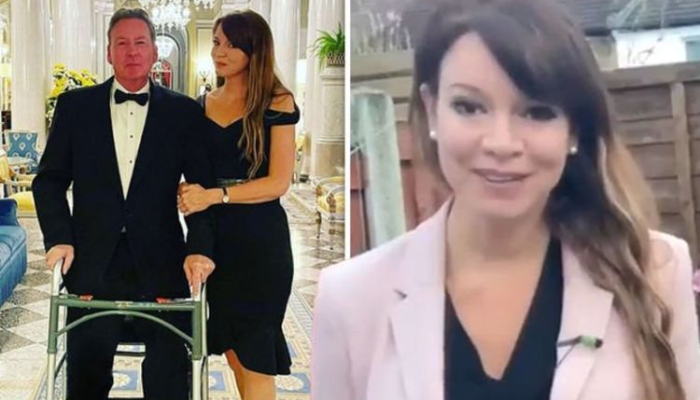
One of the key threads behind the query “elizabeth rizzini disability” is the story of Frank Gardner. Gardner, a BBC Security Correspondent, was shot in Saudi Arabia in 2004 and subsequently became paralysed from the waist down. Elizabeth appears in his documentary Being Frank: The Frank Gardner Story, which sheds light on his injury, life in a wheelchair, and their relationship.
Because of their partnership, Elizabeth has been seen as a supportive figure in the disability-space: someone who lives with, cherishes and understands someone with a major physical impairment. That connection is often what leads people to search for “Elizabeth Rizzini disability”—not because she is the person with the disability, but because she is intimately linked to someone who is. She has, through this relationship, become part of a broader narrative of disability advocacy and inclusion.
This connection brings up important themes: the partner’s role, representation of couples where one has a disability, and how the media interprets such relationships. It also shows how public interest (and speculation) can lead to misunderstandings.
Misconceptions, Clarifications and the Reality of Her ‘Disability’ Status
Now that we have the background, it stands to reason to address specific misconceptions about Elizabeth’s disability status. According to several reliable sources, Elizabeth does not have a disability that has been publicly confirmed. For example, one article explicitly states: “Elizabeth Rizzini herself does not have a disability. The speculation largely comes from her connection to Frank Gardner.”
Meanwhile, other less-credible sources claim she was diagnosed with rheumatoid arthritis in 2018. However, there is no strong evidence from major outlets confirming this diagnosis. Given that, the responsible conclusion is: Elizabeth’s own disability status remains unverified; the mainstream narrative is that she doesn’t have one, but is associated through her partner.
This clarification matters for accuracy, search-engine optimization, and general public understanding. By distinguishing between her disability status and the disability context in which she appears, we avoid perpetuating mis-information. It also means that articles using “elizabeth rizzini disability” as a keyword should be careful to explain the nuance, rather than implicitly stating she has a disability.
Advocacy, Representation & Why the Term Matters in Media and Search
Although “elizabeth rizzini disability” might mislead at first glance, the phrase opens up a valuable conversation about representation, advocacy and how disability is portrayed in public life. Elizabeth’s visibility and her relationship with Frank Gardner place her at a unique crossroads: a broadcaster partner to a high-profile person living with paralysis—and someone whose presence brings to light accommodation, resilience, accessibility and media portrayal.
Representation in media is not just about people living with disabilities, but also about the network of support, public narrative, and the stereotypes we navigate. Elizabeth’s involvement (e.g., appearing in Gardner’s documentary) helps bring attention to the lived experience of disability. It underscores how disability affects not just the individual but their family, partner and social circle. It invites questions such as: How do partners of disabled individuals navigate career and personal life? How does media cover such relationships? How do we avoid tokenising or misrepresenting?
In terms of SEO and keyword relevance, bundling “elizabeth rizzini disability” into content offers an opportunity for creators to answer the question: “Does she have a disability?”—and then go further to discuss the broader themes. This makes for richer content, better user experience, and higher value for readers seeking clarity.
Conclusion
In summary, the keyword “elizabeth rizzini disability” carries multiple layers of meaning. The simplest takeaway is: Elizabeth Rizzini herself is not known to have a disability; the association emerges through her partner Frank Gardner’s disability and her position in the public sphere. That means any content that uses the phrase should aim to clarify that distinction while also exploring why the association matters.
Beyond simply answering the question of whether she has a disability, the topic invites us to look at how media, partnerships, advocacy and representation converge around disability narratives. Elizabeth’s story is not about her being disabled—it’s about her being in relationship with someone who is, and how that interplay shapes public interest, media coverage and discourse.
By approaching the subject with nuance, we respect both Elizabeth’s identity and the broader disability conversation. And for those wondering why the term “elizabeth rizzini disability” shows up so often: it’s a search-engine artifact of public curiosity meeting complex personal and social dynamics.
FAQs
- Does Elizabeth Rizzini have a disability?
No, there is no confirmed public evidence that Elizabeth Rizzini has a disability. Most credible sources indicate the disability in question belongs to her partner. - Why do people search for “elizabeth rizzini disability”?
Because of her high-profile relationship with Frank Gardner, who is paralysed, people often connect Elizabeth’s name with disability-related topics. The phrase reflects curiosity about whether she herself is disabled or involved in advocacy. - Who is Elizabeth Rizzini’s partner and what is his disability?
Her partner is Frank Gardner, a BBC security correspondent who was shot in Saudi Arabia and left paralysed from the waist down. - Has Elizabeth Rizzini spoken publicly about disability or accessibility?
Yes—through her appearance in Gardner’s documentary Being Frank, she has been part of a public conversation around disability, adaptation and resilience. - Is it true she was diagnosed with rheumatoid arthritis in 2018?
Some less-reliable sources claim she was diagnosed with rheumatoid arthritis, but this has not been confirmed by major outlets. - What is Elizabeth Rizzini’s professional background?
She holds a master’s degree in environmental journalism, is trained by the Met Office, and has presented weather forecasts for the BBC across regional and national platforms. - Does she advocate for disability rights or awareness?
While she is not primarily known as a disability rights advocate, her involvement through personal life and public media has positioned her as a figure linked to accessibility and representation. - How should content creators treat the keyword “elizabeth rizzini disability”?
Creators should clarify that Elizabeth does not have a confirmed disability and explain the context behind the association. They should also explore related themes like representation, advocacy and portrayal of disabled people in media. - Does Elizabeth’s relationship affect how she approaches her broadcasting career?
While specific statements are scarce, the interplay between her public and private life likely influences how she presents herself and the issues she engages with—especially given the visibility of her partner’s disability. - What broader lessons can we draw from the “elizabeth rizzini disability” search topic?
The key lesson is that searches and associations can reflect public curiosity rather than fact. It’s a reminder to explore the nuance behind keywords, avoid assumptions, and frame narratives around people responsibly and accurately.