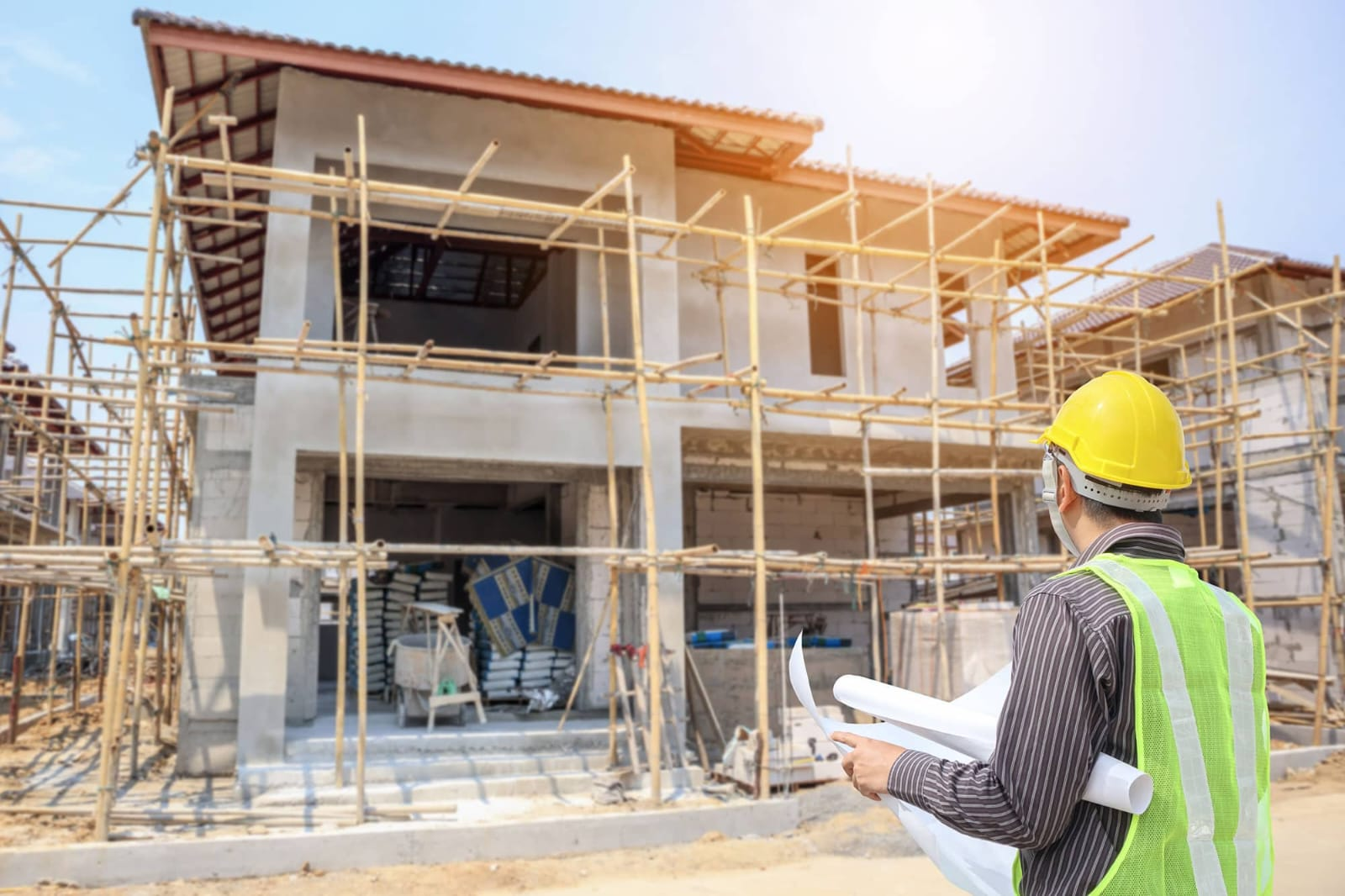
From Foundation to Finish: What Buyers Should Know About the New Home Construction Timeline
A clearer way to understand the building process
The confidence that comes with buying a newly built home attracts many buyers, but initially, the process may seem unfamiliar. In Venice, home shoppers often ask what happens between signing a contract and receiving the keys. Understanding the typical phases of new home construction can reduce uncertainty and help you make informed decisions as you evaluate communities, builders, and available home sites.
Rather than viewing building as a single long stretch of waiting, it helps to see it as a sequence of milestones. Each stage has a purpose, a set of inspections, and clear signs of progress. When you know what to expect, you can communicate more effectively with the sales team and feel more prepared throughout the journey.
Site preparation and the start of the build
The earliest step is preparing the home site. This can include clearing, grading, and ensuring drainage is planned correctly. In Florida, careful attention to soil, water management, and elevation is part of building a durable home. Once the site is prepared, the foundation phase begins. Depending on the design, the first phase may involve a slab foundation and the related plumbing and structural components.
This stage often moves quickly from the buyer’s perspective, but it is one of the most technical phases. It sets the framework for everything that follows and is supported by inspections confirming that the work meets code requirements.
Framing roofing and the shape of the home
Framing is when the home truly comes to life visually. Walls, roof lines, and room layouts become easy to recognize. Buyers often find this stage exciting because the floor plan finally feels real. After framing, roofing, and exterior structural elements, the home moves toward a weather-protected state.
At this point, you may also see windows and exterior doors installed. These items help create a tighter building envelope and allow interior work to proceed with fewer disruptions.
Mechanical systems and interior progress
The focus shifts to the systems behind the walls once the home has “dried in.” Electrical wiring, plumbing lines, and heating and cooling components are installed in coordination. This part is followed by inspections to confirm that each system is properly placed and safe.
Once inspections are completed, insulation and drywall can begin. Drywall installation is a major visual turning point. It transforms the home from a framework into a space that looks and feels closer to a finished residence. Next, we detail the interior elements in sequence: trim work, cabinetry, countertops, flooring, and paint.
Selections options and decision timing
If your purchase includes design selections, timing matters. Many builders set deadlines for choosing finishes so materials can be ordered and scheduled properly. Buyers should ask which items are standard and which are upgrades, and they should request clarity on selection windows. This approach helps prevent rushed decisions and reduces the likelihood of late changes that can impact the schedule and cost.
Even when a home is already underway, you can still benefit from understanding what choices remain and when they must be finalized.
Final inspections walk throughs and closing preparation
As the build nears completion, final inspections and quality checks occur. This stage often includes a buyer walk-through, where you can review the home, note any questions, and understand the basic operation of the systems and features. This phase is also when you will confirm the finishing details and ensure that the home is ready for move-in.
Buyers should plan for practical closing steps, including insurance, utilities, and final paperwork. When you anticipate these tasks early, the final stretch tends to feel more manageable.
Frequently asked questions about new home construction
How long does new home construction typically take?
Timelines vary based on home type, permitting, weather, and construction schedules. A sales team can often provide a general timeframe and update expectations as milestones are reached.
Can I visit the home during construction?
Policies vary by builder and community, and safety is always the priority. Many builders offer scheduled opportunities or guided visits so you can see progress while protecting the job site.
What inspections happen during the build?
Inspections typically occur at multiple points, including foundation, framing, and major mechanical systems. Final inspections confirm the home meets applicable codes and standards prior to completion.
What should I look for during a final walk-through?
Focus on functional items such as doors, windows, fixtures, and appliance operation. It is also a good time to review finishes, confirm details, and ask questions about maintenance and warranties.
Are changes allowed once construction starts?
Some changes may be possible early on, but later modifications can be limited and may affect the schedule and cost. Buyers should ask about change policies and deadlines at the beginning of the process.
A confident next step for Venice homebuyers
Buying a newly built home becomes far less intimidating when you understand the sequence of work and the checkpoints that guide it. When you tour communities, ask about timelines, inspections, and how communication works from start to finish. That clarity can help you choose the right fit with greater confidence.
To explore a community in Venice where process and lifestyle come together, visit Vistera of Venice and learn how new home construction can help you take a smooth path to your next home.